Healthy Breakfast Guide | Everything You Need to Know About Our Chia Pots
Why is a chia seed breakfast the best choice for gut health?
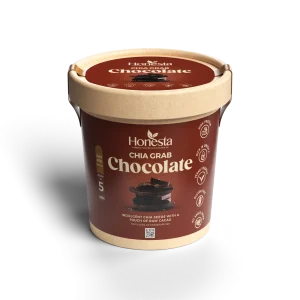
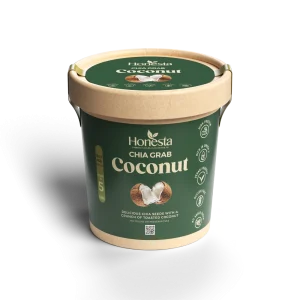
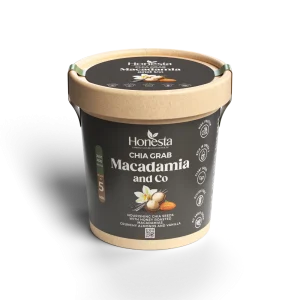
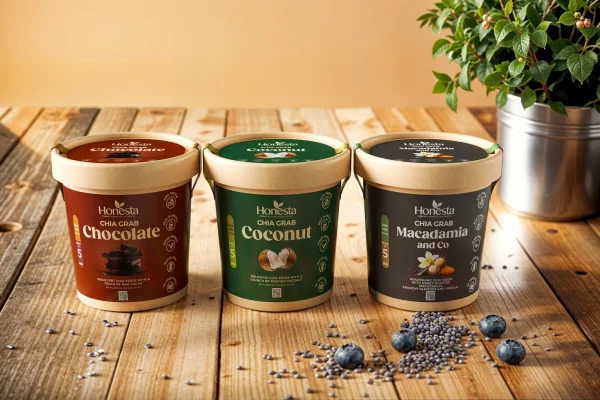
Our chia seed breakfast pots are a nutritional powerhouse designed with your digestion in mind. As a high fiber breakfast, chia seeds provide the essential nutrients needed to support gut health and keep you feeling full for longer. Plus, every pot is a sugar free breakfast option, making it a clean start to your day.
How do I prepare Honesta instant chia pudding?
We created the ultimate healthy quick breakfast for people with no time to spare. Our instant chia pudding is ready in just 5 minutes—simply add your favorite liquid, stir, and enjoy. It’s the perfect healthy on the go breakfast that doesn’t compromise on taste or quality.
Can I customize my chia pots for breakfast?
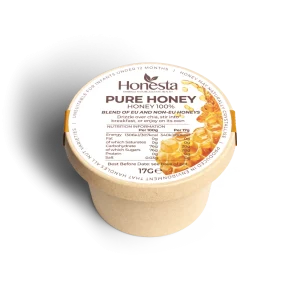
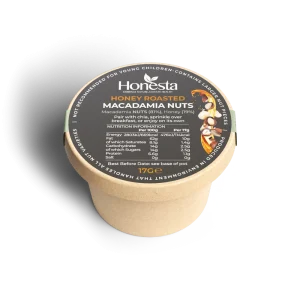
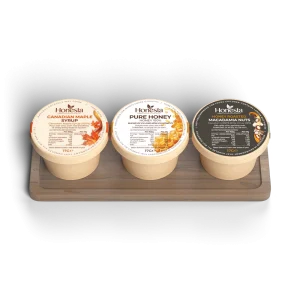
Absolutely! While our chia breakfast pots are delicious on their own, you can boost your quick healthy breakfast by adding our Drizzle & Crunch collections. Whether you’re looking for a high fiber boost or just a healthy breakfast on the go, our range offers the best variety for your morning routine.
Is it good to eat chia seeds for breakfast?
Yes, chia seeds can be a very good breakfast choice. They provide fiber, plant-based protein, and omega-3 fatty acids, which may help support satiety and keep you feeling full for longer. Because they absorb liquid and form a gel-like texture, they work well in breakfast foods such as chia pudding, yogurt, smoothies, and overnight oats. For best tolerance, start with a small amount and drink enough water during the day.
Is 2 tablespoons of chia seeds daily too much?
No, for most healthy adults, 2 tablespoons of chia seeds per day is generally considered a reasonable and safe amount. This serving provides a good source of fiber, healthy fats, and other nutrients without being excessive. However, if you are not used to eating high-fiber foods, it is better to start with a smaller portion and increase gradually to avoid digestive discomfort.
Are there any side effects of eating chia seeds?
Chia seeds are nutritious and well tolerated by many people, but eating too much at once may cause side effects such as bloating, gas, constipation, or abdominal discomfort. This is mainly because they are very high in fiber and absorb a large amount of liquid. To reduce the risk of side effects, it is best to introduce chia seeds gradually, soak them if needed, and make sure you stay well hydrated. People with swallowing difficulties or specific medical conditions should speak with a healthcare professional before using them regularly.
What should not mix with chia seeds?
There is no strict list of foods that must never be mixed with chia seeds, but some combinations may be harder to tolerate for certain people. Because chia seeds are rich in fiber, combining them with other very high-fiber foods in large amounts may lead to bloating or digestive discomfort. Some people may also want to be cautious when pairing chia seeds with large amounts of dairy, heavily sweetened foods, or foods naturally high in compounds such as phytic acid or oxalates, especially if they have specific digestive sensitivities or dietary restrictions. In general, balance and portion size matter more than avoiding specific foods completely.
Do chia seeds lower triglycerides?
Chia seeds may help support healthy triglyceride levels as part of a balanced diet, but the evidence is still limited and results can vary from person to person. Some research suggests they may have a positive effect on blood lipids thanks to their fiber and omega-3 content. However, chia seeds should not be seen as a replacement for medical treatment or broader dietary changes. They are best used as one part of an overall heart-healthy lifestyle.
Can chia seeds help lower LDL?
Chia seeds may modestly support lower LDL cholesterol levels, mainly because of their soluble fiber content. Soluble fiber can help reduce the amount of cholesterol absorbed in the digestive tract, which may contribute to better cholesterol balance over time. That said, the effect is usually moderate, and chia seeds work best when combined with a healthy diet, regular physical activity, and medical advice when needed.
Are chia seeds ok with IBS?
Yes, chia seeds can be suitable for some people with IBS, but they should be introduced carefully. They are generally considered low FODMAP in moderate portions, yet their high fiber content may trigger bloating, gas, or changes in bowel habits in sensitive individuals. Starting with a small serving and observing how your body responds is usually the safest approach. If symptoms are frequent or severe, it is best to consult a doctor or dietitian familiar with IBS.
Is chia pudding better than oatmeal?
Chia pudding is not automatically better than oatmeal — it depends on your nutritional needs and personal preferences. Chia pudding is usually higher in healthy fats and omega-3s, while oatmeal is often a better source of complex carbohydrates and can be especially satisfying for sustained energy. Both can be healthy breakfast options, and the better choice depends on your goals, such as increasing fiber, protein, fullness, or overall calorie balance.
Can chia seeds help with hyperpigmentation?
Chia seeds may support overall skin health because they contain antioxidants and healthy fats, but there is not enough strong clinical evidence to say they directly treat hyperpigmentation. A nutrient-rich diet can help support the skin, and chia seeds can be part of that, but dark spots and uneven skin tone usually require a broader skincare or dermatological approach. If hyperpigmentation is persistent, it is best to seek professional advice rather than rely on one food alone.
Are chia seeds ok for high creatinine?
People with high creatinine should be careful about making dietary changes without medical guidance, because elevated creatinine can be related to kidney function. Chia seeds can be part of a balanced diet for some individuals, but they are not a proven treatment for high creatinine levels. Whether they are appropriate depends on the person’s overall kidney health, lab results, and dietary needs. If you have high creatinine or kidney concerns, it is best to ask a doctor or renal dietitian before adding chia seeds regularly.
About Us
At Honesta, we craft pure, chia-based foods designed to nourish your body and simplify your day. Made with just a handful of natural ingredients and no artificial additives, our Chia Pots offer effortless nutrition — rich in fibre, omega-3s and plant goodness. Honest food. Elevated health. Every single day.