Most superfoods come and go. Remember the spirulina craze? Or when everyone was putting turmeric in literally everything, including lattes that tasted like wet soil? Chia seeds though – they’ve been around since the Aztecs fuelled their armies with them before battle. Centuries later, science keeps confirming what those guys already knew. And unlike most food trends, chia isn’t going anywhere.
So let’s dig into the real chia seeds benefits and what actually makes this seed worth your time. No fluff, no exaggeration. Just what chia genuinely brings to the table.
The Nutritional Profile Behind Chia Seeds Benefits
A single 30g serving of chia seeds delivers more than you’d expect from something you could mistake for poppy seeds at first glance:
- Omega-3 fatty acids – more per gram than salmon. Plant-based ALA specifically, which is great news if swallowing fish oil capsules makes you gag.
- Fibre – roughly 34% by weight. That’s not a typo. Over a third of the seed is pure fibre. If you’re curious why this matters so much for your daily health, we wrote about chia seeds fibre in more detail.
- Complete protein – about 5g per serving containing all essential amino acids. That’s genuinely unusual for a plant source, and it’s one reason chia has become a staple in vegan and vegetarian diets.
- Calcium – around 18% of your daily needs per serving. More than most dairy products gram for gram, which surprises a lot of people.
- Manganese, phosphorus, magnesium – minerals that most of us are quietly deficient in without ever realising.
And the chia seeds calories count? About 140 kcal per 30g. Sounds like a lot until you understand the trick. Chia absorbs up to 12 times its weight in water. Twelve times. It expands massively in your stomach, which means you feel full – properly full – from a relatively small portion. Not that fake fullness that disappears before you’ve left the kitchen and has you rummaging through the snack drawer twenty minutes later.
Sustained Energy Without the Crash
Everyone mentions omega-3 and fibre when they talk about chia seeds benefits. Fair enough, those are the headline acts. But the benefit that doesn’t get nearly enough attention is how chia seeds affect your energy levels throughout the day.
Here’s what happens. When chia seeds hit liquid, they form a gel. That gel creates a barrier between the carbohydrates in the seed and the digestive enzymes trying to break them down. Translation? Your body converts those carbs into glucose much more slowly. No spike. No crash. Just steady, reliable energy that carries you through hours instead of minutes.
Compare that to a banana or a granola bar. Quick burst, feels great for thirty minutes, then you’re hunting for coffee. Chia doesn’t work like that. It’s a slow burn. Anyone who’s ever hit that 3pm wall at the office – when your brain goes foggy and your willpower crumbles – knows exactly why this matters.
The Aztec warriors reportedly carried small pouches of chia seeds on long marches. One tablespoon could sustain them for 24 hours, or so the legend goes. Probably exaggerated. But the principle behind it is sound, and modern endurance athletes are catching on. There’s a reason chia started popping up in ultramarathon nutrition plans before it ever hit mainstream food blogs.
Gut Health – The Unsexy Benefit That Changes Everything
Nobody wants to talk about digestion at dinner. Fair enough. But here’s the thing – your gut health affects literally everything else. Mood. Skin. Immune function. Even sleep quality. And chia seeds are one of the most efficient ways to support it.
That 34% fibre content we mentioned? It’s a mix of soluble and insoluble fibre, which means chia works on two fronts simultaneously. Soluble fibre feeds the beneficial bacteria in your gut – the ones responsible for producing short-chain fatty acids that reduce inflammation. Insoluble fibre adds bulk and keeps things moving. Not glamorous, but incredibly important.
Most adults in the UK get about 18g of fibre per day. The recommended amount is 30g. That’s a significant gap. Two tablespoons of chia seeds close it by roughly a third. Without any effort, without changing your entire diet, without choking down bran flakes every morning.
What You’ll Actually Notice Day to Day From Chia Seeds Benefits
This isn’t clinical advice and we’re not pretending to be doctors. But certain patterns come up consistently among people who eat chia regularly, and they’re worth mentioning:
Digestion improves. Usually within the first week or two. Things just… work better. More regularly, more comfortably.
Afternoon energy dips fade. That automatic reach for a biscuit and a coffee at 3pm? It becomes less frequent, then eventually stops. You just don’t need it anymore.
You snack less between meals. Genuine satiety – real fullness – between meals. This one’s massive for anyone trying to manage their weight without obsessively counting every calorie. You’re not fighting cravings. You’re just not hungry.
Skin looks better. Could be the omega-3s. Could be the improved hydration from all that gel-forming water absorption. Could be both. Either way, people notice.
Mental clarity sticks around longer. Anecdotal, sure. But stable blood sugar means stable brain function. There’s logic behind it even if the research is still catching up.
Wondering how much chia seeds per day you should actually eat to get these results? The sweet spot for most people sits around 25-40g daily. Enough to make a real difference without overdoing it.
How to Actually Get the Most Out of Chia
This is where a lot of people trip up. You can throw dry chia seeds on top of a salad or into a smoothie and yes, you’ll get some benefit. People are doing chia seed water and various chia seed drink recipes too – a spoonful in a water bottle, shake it up, done. Does it work? Sort of. But honestly you’re leaving a lot on the table.
The magic happens when chia seeds have time to properly hydrate. That gel formation we talked about isn’t just about fullness – it also makes the nutrients significantly more bioavailable. Your body can actually access and absorb the omega-3s, minerals and protein much more efficiently when the seeds have fully expanded.
Think of it like pasta. You could technically eat it raw and get the calories. But would you? Same principle applies here.
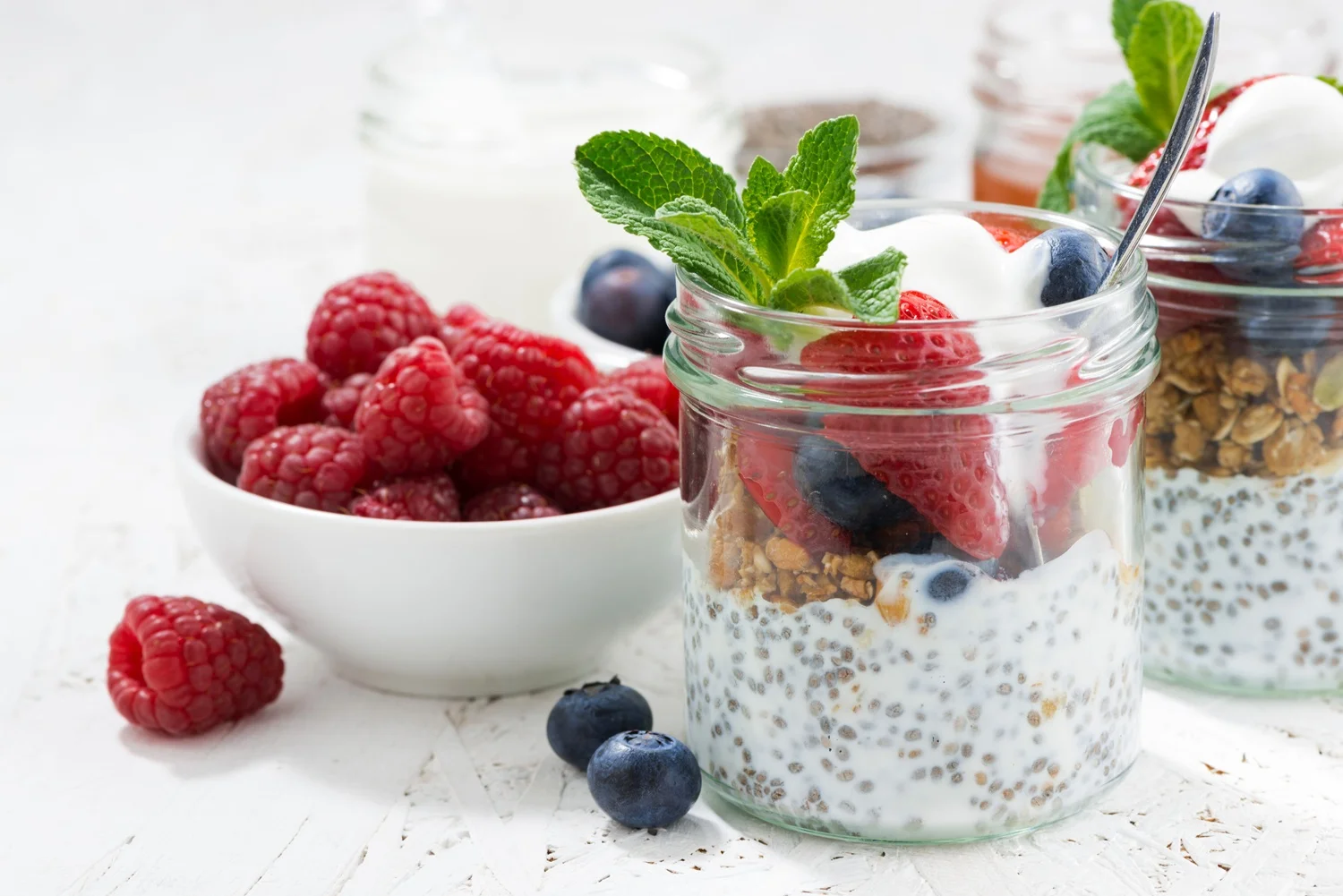
This is why is chia pudding healthy is even a question worth asking. When you let chia sit in liquid – whether that’s milk, yogurt, or plant-based alternatives – the seeds transform into something with a creamy, almost tapioca-like texture. It becomes a proper meal base that carries whatever flavours you pair with it beautifully.
If you want to learn more about how to consume chia seeds beyond pudding, we’ve covered that separately. Spoiler: there are more options than you’d think. And if you’re short on time, we’ve also shared how to make chia pudding fast, because let’s be honest, nobody wants a 14-step breakfast before work.
The Quality Difference Nobody Warns You About
One thing worth flagging – not all chia seeds are equal. The cheap bags you find in some supermarkets can be older stock with lower omega-3 content, because those fatty acids degrade over time. Sourcing matters. Processing matters. How the final product is stored matters.
This is something we care about deeply at Honesta. Our Chocolate Chia Grab uses properly sourced chia that’s been prepared to maximise nutrient retention. It’s not just about taste – though honestly, the taste is what gets people hooked first. Add a drizzle of Canadian Maple Syrup on top and suddenly healthy eating stops feeling like a sacrifice.
The Bigger Picture
Chia seeds won’t fix a terrible diet. Let’s be real about that. If you’re living on takeaways and energy drinks, adding chia isn’t going to magically undo the damage. But as a foundational ingredient in a diet that’s generally heading in the right direction, chia seeds benefits are hard to ignore.
High omega-3. Massive fibre content. Complete protein. Mineral-dense. Low glycemic impact. Keeps you full for hours. Versatile enough to work in sweet and savoury dishes. And it costs pence per serving.
Sometimes the simplest foods are the most powerful. Chia has been proving that for about 5,000 years now. We’re just finally catching up.
FAQ
Are the reported chia seeds benefits actually real or is it just hype?
Not hype at all. Chia seeds are high in omega-3 fatty acids, fibre, complete protein and essential minerals like calcium and magnesium. The nutritional evidence has been consistent for years across multiple studies. This isn’t a trend that’s going to fade.
Can chia seeds help with weight loss?
Yes, one of the most practical chia seeds benefits is how they genuinely support appetite control. Because chia expands massively in your stomach, you stay full for much longer after eating. This naturally reduces snacking and overall calorie intake. Not a magic fix, but a very effective tool when combined with a balanced diet.
How quickly do you start noticing chia seeds benefits after eating them daily?
Digestive improvements tend to show up within one to two weeks of daily consumption. Energy-related changes and reduced cravings usually become noticeable around the three to four week mark. Consistency matters far more than quantity.
Are there any downsides to eating chia seeds?
The main one – don’t eat them dry in large amounts. They absorb moisture aggressively and can cause digestive discomfort if they expand inside your throat or stomach without enough liquid. Always soak them first or drink plenty of water alongside. If you’re on blood-thinning medication, have a conversation with your doctor first because of the omega-3 content.
What’s the best way to eat chia seeds for maximum results?
Soaked and fully hydrated, ideally in pudding form. To unlock all the chia seeds benefits, you need to let them fully expand so your body can absorb the nutrients efficiently. Pair them with healthy fats and natural sweeteners for the best results – and the best taste. Throwing dry seeds on a salad is fine but you won’t get nearly the same impact.


